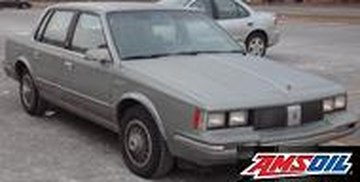
Maintenance and Lubrication for the 1982 Oldsmobile CUTLASS 4.3L Diesel
Owning a diesel-powered vehicle from the early 1980s requires a specific approach to routine maintenance. The 1982 Oldsmobile CUTLASS equipped with the 4.3L diesel engine relies on consistent lubrication and careful monitoring of fluid conditions to maintain operational integrity. Because diesel engines operate under different thermal and mechanical stresses than gasoline counterparts, staying attentive to service requirements is essential for long-term ownership.
Monitoring Fluid Integrity and Condition
Regularly checking the condition of your engine oil is one of the most effective ways to monitor the health of the 4.3L diesel engine. Rather than just checking the level, an owner should observe the physical characteristics of the lubricant. Diesel engines often produce soot as a byproduct of combustion, which can cause the oil to appear darker more quickly than in a gasoline engine. While some darkening is expected, significant changes in texture or an unusual odor may warrant closer inspection.
When performing routine checks, look for the following:
- Consistency: The oil should feel smooth. If it feels gritty or contains visible particulates, this could indicate internal wear or contamination.
- Color and Clarity: While diesel oil is typically dark, extreme discoloration or a milky appearance can be an indicator of fluid contamination.
- Level Stability: Frequent or unexplained changes in the oil level should be investigated to determine if the engine is consuming lubricant or if there is an external leak.
If you notice any significant deviations from the normal appearance or behavior of your engine oil, it is advisable to seek a professional diagnosis to identify the underlying cause.
Observing Potential Warning Signs
Maintaining awareness of how the vehicle behaves during operation can help catch potential issues before they escalate. For a 1982 Oldsmobile CUTLASS, several indicators may suggest that the lubrication system or other engine components require attention. It is important to remember that many symptoms can have multiple causes, so an observation should be treated as a prompt for investigation rather than a definitive diagnosis.
An unusual mechanical noise during startup or while idling can sometimes be associated with lubrication concerns. Similarly, if you notice any visible fluid seepage around the engine block or under the vehicle, this warrants a thorough inspection of gaskets and seals. If the vehicle exhibits signs of overheating, such as rising temperature gauges or steam, it is critical to address the cooling system and ensure that the engine oil is maintaining its intended thermal stability.
Additionally, keep an eye on exhaust characteristics. While diesel engines have distinct exhaust profiles, any sudden or drastic changes in smoke color or volume should be investigated by a technician to rule out issues with combustion or lubrication management.
Prioritizing Long-Term Engine Care
As vehicles age, maintenance priorities often shift from simple part replacement to more comprehensive condition monitoring. For an older diesel application, establishing a clear baseline of the vehicle's current state is highly beneficial. If you do not have a complete service history for this 1982 Oldsmobile CUTLASS, your first priority should be to document all recent fluid changes, filter replacements, and mechanical repairs.
Effective long-term ownership involves distinguishing between necessary preventive maintenance and unnecessary component replacement. Instead of replacing parts based solely on the age of the vehicle, focus on the actual condition of the components. For example, inspect accessible hoses and belts (if equipped) for signs of cracking, glazing, or fraying. If these components appear supple and intact, they may not require immediate attention; however, if they show signs of deterioration, they should be addressed to prevent unexpected failure.
Maintaining detailed records of when oil was changed and what specific products were used will help you identify patterns in fluid consumption or component wear. This data becomes invaluable when deciding on future service intervals or when discussing the vehicle's history with a mechanic.
Inspection of Aging Components
With a vehicle from 1982, certain materials are subject to the effects of time and heat cycles. When performing routine maintenance, it is useful to conduct a visual survey of the engine compartment. This does not require specialized tools but does require a careful eye.
Inspect various sealing surfaces for signs of age-related seepage. Small amounts of "sweating" on a gasket are common in older engines, but active leaks that result in dripping or significant fluid loss should be addressed promptly. Furthermore, check the condition of electrical connections and wiring harnesses. Over time, insulation can become brittle, which may lead to connectivity issues or electrical interference.
If your vehicle is equipped with an air filtration system, ensure the filter is clean and free of debris. A restricted air intake can affect engine efficiency and potentially influence the condition of the engine oil over time due to changes in combustion characteristics. Always approach these inspections with the goal of identifying gradual changes rather than assuming every older component is failing.
Effective Maintenance Decision-Making
When faced with multiple maintenance tasks, it is best to address active concerns first. If you have identified a fluid leak or noticed an unusual symptom during your routine checks, these should take precedence over general preventive tasks. Addressing an active issue prevents it from potentially causing more significant damage to the 4.3L diesel engine.
If the vehicle has been sitting for extended periods, a thorough inspection of all fluids—including oil, coolant, and brake fluid—is a prudent first step before regular operation. Checking that these fluids are at the correct levels and do not show signs of degradation or contamination ensures that the engine is properly lubricated and cooled from the moment it is started.
Practical Advice for Buying Engine Oil for your 1982 Oldsmobile CUTLASS 4.3L
Selecting the correct lubricant is a fundamental part of maintaining your diesel engine. Because different engines have specific requirements regarding additive packages and viscosity, you must ensure that any product you purchase is appropriate for this exact application. To avoid errors, do not rely on general automotive knowledge or assumptions based on the vehicle's age.
When you are ready to purchase new lubricant, match the engine oil to the application-specific viscosity information already displayed on this webpage. It is also important to verify that the oil meets the appropriate API service categories for diesel engines. When shopping, carefully check the product labels to confirm they align with the specifications provided in your vehicle's documentation.
Depending on your specific needs and the current condition of your engine, you may encounter various options such as conventional, synthetic blends, or full synthetic oils. Some high-mileage oil formulations contain additives intended for use in aging engines, including seal-conditioning additives that may be beneficial for older seals. However, always prioritize the viscosity and application details listed on this page to ensure the best possible match for your 1982 Oldsmobile CUTLASS 4.3L.